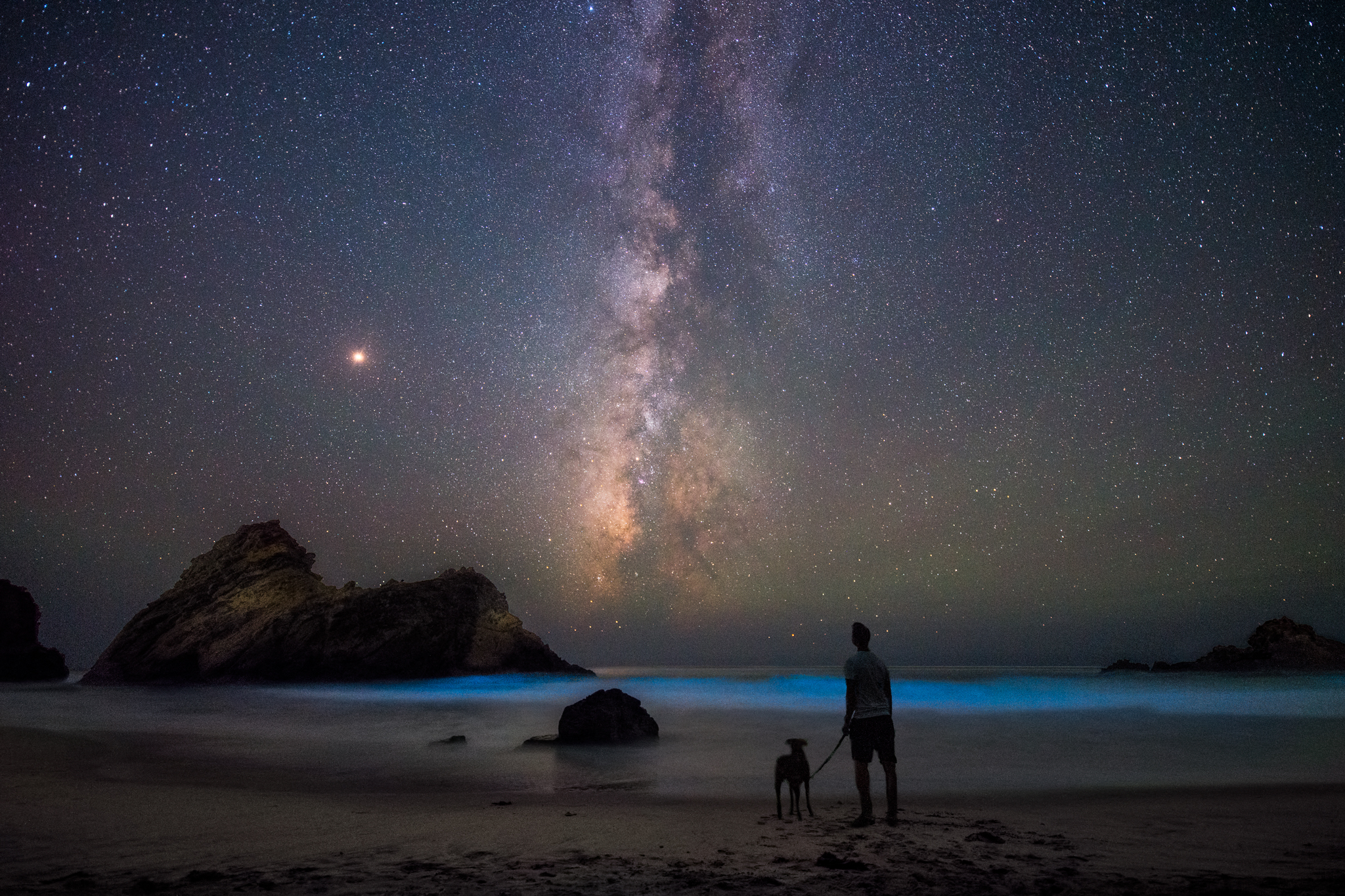
Enlargeable photo and description may be found here. I love the confidence they project in describing what we are looking at.
A view of life and commercial real estate from Newark and Licking County, Ohio
Enlargeable photo and description may be found here. I love the confidence they project in describing what we are looking at.
In the heavens, therefore, there is nothing fortuitous, unadvised, inconstant, or variable: all there is order, truth, reason, and constancy; and all the things which are destitute of these qualities are counterfeit, deceitful, and erroneous, and have their residence about the earth beneath the moon, the lowest of all the planets. He, therefore, who believes that this admirable order and almost incredible regularity of the heavenly bodies, by which the preservation and entire safety of all things is secure, is destitute of intelligence, must be considered to be himself wholly destitute of all intellect whatever.
Marcus Tullius Cicero, Cicero's Tusculan Disputations

Counting the shooting stars in the night sky above the Mogollon Rim in Arizona.

Explanation: Massive stars in our Milky Way Galaxy live spectacular lives. Collapsing from vast cosmic clouds, their nuclear furnaces ignite and create heavy elements in their cores. After only a few million years for the most massive stars, the enriched material is blasted back into interstellar space where star formation can begin anew. The expanding debris cloud known as Cassiopeia A is an example of this final phase of the stellar life cycle. Light from the supernova explosion that created this remnant would have been first seen in planet Earth's sky about 350 years ago, although it took that light 11,000 years to reach us. This sharp NIRCam image from the James Webb Space Telescope shows the still hot filaments and knots in the supernova remnant. The whitish, smoke-like outer shell of the expanding blast wave is about 20 light-years across. Light echoes from the massive star's cataclysmic explosion are also identified in Webb's detailed image of supernova remnant Cassiopeia A.

-as extracted from this Gaping Void post
......in slow motion. In a billion years or so, our quiet little galaxy might be involved in a major collision. Is it too soon to worry? What do the computer models say? Back story and enlargeable photo are here:

 |
| Starry Night Over the Rhone Oil on canvass 1888 |
When I have a terrible need of - shall I say the word - religion, then I go out and paint the stars.
-Vincent van Gogh
Explanation: Massive stars can blow bubbles. The featured image shows perhaps the most famous of all star-bubbles, NGC 7635, also known simply as The Bubble Nebula. Although it looks delicate, the 7-light-year diameter bubble offers evidence of violent processes at work. Above and left of the Bubble's center is a hot, O-type star, several hundred thousand times more luminous and some 45-times more massive than the Sun. A fierce stellar wind and intense radiation from that star has blasted out the structure of glowing gas against denser material in a surrounding molecular cloud. The intriguing Bubble Nebula and associated cloud complex lie a mere 7,100 light-years away toward the boastful constellation Cassiopeia. This sharp, tantalizing view of the cosmic bubble is a reprocessed composite of previously acquired Hubble Space Telescope image data.

Laying on my back, watching the stars emerge, I was struck by how they'd been there all along, invisibly lining my day even when I couldn't see them. Sometimes the darkness reveals, it's ways more mysterious than light's. Sometimes the darkness gives a gift of stars by which we can navigate our way home.
-Boyd Varty, Cathedral of the Wild


 Posts
Posts